
Prostate Health Nutrition Tips
Discover evidence-based nutritional strategies to support optimal prostate wellness and vitality
Explore comprehensive guidance on foods, nutrients, and lifestyle choices that promote long-term prostate health
The information on this site is for educational purposes only and does not constitute medical advice. Always consult a qualified healthcare professional before making health decisions.
Why Nutrition Matters for Prostate Health
The foods and nutrients you consume play a critical role in maintaining prostate wellness. Our editorial team has researched key dietary approaches that support long-term vitality and well-being.
Plant-Based Power
Vegetables, fruits, and whole grains contain antioxidants that support cellular health and overall wellness.
Mineral Balance
Essential minerals like zinc and selenium support immune function and cellular processes throughout your body.
Heart-Healthy Fats
Omega-3 fatty acids and unsaturated fats support cardiovascular wellness, which is linked to overall vitality.
Nutrient Density
Whole foods deliver concentrated vitamins and minerals that nourish your body naturally and effectively.
Essential Nutrients for Prostate Wellness
Specific nutrients have been studied extensively for their role in supporting prostate health. Understanding which foods contain these compounds helps you build a nourishing daily diet.
Zinc-Rich Foods
Pumpkin seeds, oysters, beef, and chickpeas provide this essential mineral that supports immune and cellular function.
Selenium Sources
Brazil nuts, fish, whole grains, and eggs contain this trace mineral recognized for its antioxidant properties.
Lycopene Foods
Tomatoes, watermelon, pink grapefruit, and red peppers contain this powerful pigment studied for wellness support.
Cruciferous Vegetables
Broccoli, cauliflower, and Brussels sprouts provide compounds that support the body's natural defense systems.
Top Foods for Prostate Wellness
Tomatoes & Tomato Products
Cooked tomatoes, tomato paste, and tomato sauce are excellent sources of lycopene, a compound extensively studied for its role in supporting prostate health. Aim for 2-3 servings weekly as part of a balanced diet.
Leafy Greens
Spinach, kale, and collard greens provide lutein and folate, nutrients that support overall cellular wellness. These nutrient-dense foods fit easily into salads, smoothies, and cooked dishes.
Fatty Fish
Salmon, mackerel, sardines, and trout contain omega-3 fatty acids that support cardiovascular wellness and overall health. Eat 2-3 servings per week for optimal intake of these beneficial fats.
Nuts & Seeds
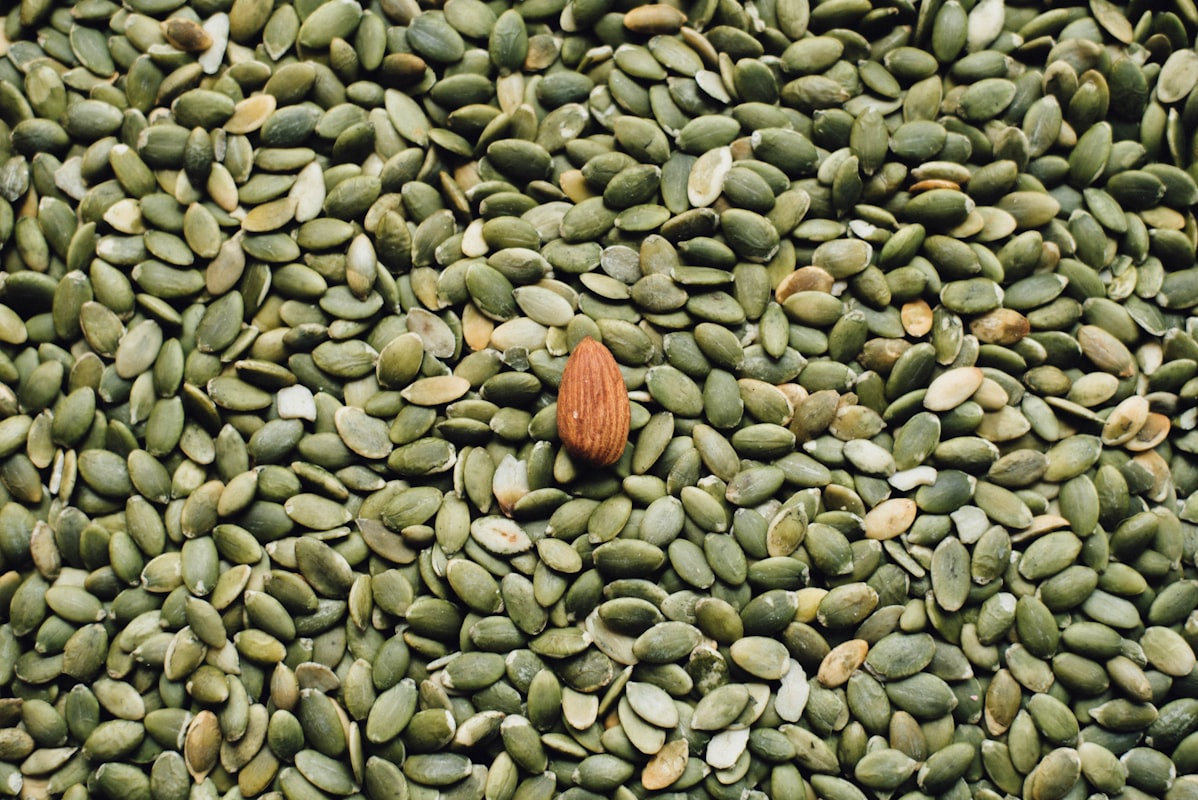
Pumpkin seeds, sunflower seeds, almonds, and walnuts deliver zinc, selenium, and vitamin E. A small handful daily provides concentrated nutrition to support your wellness goals.
Cruciferous Vegetables
Broccoli, cauliflower, cabbage, and Brussels sprouts contain compounds called glucosinolates that support the body's natural detoxification processes. Include these weekly in your meals.
Whole Grains
Brown rice, quinoa, oats, and whole wheat provide fiber, B vitamins, and minerals. These foods support digestive wellness and provide sustained energy throughout your day.
5-Step Nutritional Wellness Guide
Assess Your Current Diet
Take one week to notice your eating patterns. Write down meals and snacks to identify gaps in nutrition. Look for opportunities to add more plant-based foods, whole grains, and lean proteins to your routine.
Increase Vegetable Intake Gradually
Aim to fill half your plate with vegetables at lunch and dinner. Start with familiar favorites and gradually explore new varieties. Include leafy greens, cruciferous vegetables, and colorful options like tomatoes and peppers throughout the week.
Choose Quality Protein Sources
Include fatty fish 2-3 times weekly, incorporate plant-based proteins like legumes and nuts, and choose lean poultry. These proteins deliver essential amino acids plus beneficial minerals like zinc and selenium that support overall wellness.
Switch to Whole Grain Staples
Replace refined grains with whole grain options like brown rice, oats, quinoa, and whole wheat bread. This shift increases fiber intake and provides sustained energy, supporting digestive wellness and stable blood sugar.
Monitor Progress and Adjust
Track how you feel, your energy levels, and overall wellness after dietary changes. Adjust portion sizes and food choices based on your body's response. Stay consistent with these habits for sustainable, long-term benefits.
Nutrients You Should Know About
Zinc
This essential mineral supports immune function and cellular growth. Men need 11 mg daily. Rich sources include pumpkin seeds, oysters, beef, and chickpeas. Adequate zinc intake is linked to overall vitality and wellness.
Selenium
A trace mineral with antioxidant properties, selenium supports immune and thyroid function. Adults need 55 mcg daily. Brazil nuts, fish, eggs, and whole grains are excellent sources of this nutrient.
Lycopene
This plant pigment gives tomatoes their red color and has been extensively researched for wellness support. Cooking tomatoes increases lycopene availability. Aim for 1-2 servings of tomato products daily.
Omega-3 Fatty Acids
These healthy fats support cardiovascular and brain function. Men should consume 1.6 g daily. Fatty fish, flaxseeds, walnuts, and chia seeds are rich plant and animal sources of omega-3s.
Vitamin E
An antioxidant that protects cells from damage, vitamin E supports skin health and immune function. Men need 15 mg daily. Nuts, seeds, vegetable oils, and leafy greens provide this vitamin naturally.
Fiber
Dietary fiber supports digestive wellness and helps maintain healthy weight. Men need 38 g daily. Whole grains, legumes, vegetables, and fruits are excellent fiber sources that benefit overall health.
Common Questions About Prostate Nutrition
Can diet alone support prostate wellness?
While nutrition is crucial, comprehensive wellness combines healthy eating with regular exercise, stress management, and adequate sleep. A balanced diet rich in the nutrients discussed here provides strong foundational support for your long-term health.
How long before seeing benefits from dietary changes?
Most people notice improved energy and digestion within 2-4 weeks of consistent dietary improvements. Long-term wellness benefits typically develop over several months. Consistency matters more than perfection—small sustainable changes compound into significant health gains.
Is supplements necessary, or can I get everything from food?
Whole foods should be your primary source of nutrients because they contain fiber, phytonutrients, and beneficial compounds that supplements lack. However, individual needs vary—discuss supplementation with a qualified nutritionist to determine if targeted supplements support your specific health goals.
Are there foods to limit or avoid?
Focus on adding nutritious foods rather than restriction. However, moderation is wise with processed foods, excessive red meat, and refined sugars. A balanced approach emphasizing whole foods, vegetables, and lean proteins naturally crowds out less beneficial options.
What's the best approach for busy people?
Prioritize simple strategies: buy pre-cut vegetables, prepare grains in bulk, keep nuts and seeds on hand, and use quick-cooking methods like steaming and stir-frying. Meal planning for 2-3 days at a time makes healthy eating sustainable even with a hectic schedule.
How do I know if my diet is working?
Track non-scale markers: energy levels, sleep quality, digestion, mood, and how your clothes fit. Some people benefit from routine wellness check-ups that include nutritional assessments. Keep a simple food journal to identify patterns between eating habits and how you feel.
Key Features of This Nutritional Approach
Evidence-Based Information
Our content is grounded in published nutritional research and peer-reviewed studies. We provide balanced, factual information to help you make informed decisions about your dietary wellness.
Practical Food Choices
All recommendations feature accessible, commonly available foods. We focus on real-world eating strategies that fit various budgets, lifestyles, and cultural preferences.
Holistic Wellness
We emphasize that nutrition is one pillar of wellness alongside exercise, sleep, and stress management. Our guidance supports comprehensive health rather than isolated dietary changes.
Actionable Steps
Rather than overwhelming theory, we provide specific, achievable actions you can implement immediately. Our step-by-step guide helps you build sustainable dietary habits.
Transparent Communication
We clearly distinguish between established facts, emerging research, and areas where more study is needed. We avoid exaggerated claims and speak directly about what science actually shows.
Personalization Support
We recognize that individual needs vary based on genetics, health status, and lifestyle. Our articles help you understand your unique nutritional needs so you can adapt recommendations appropriately.
Ready to Learn More About Prostate Nutrition?
Explore our comprehensive collection of articles, guides, and resources to deepen your understanding of how nutrition supports your wellness goals.
Our editorial team is committed to providing accurate, practical, and science-based information you can trust. Discover the foods, nutrients, and dietary strategies that support long-term prostate health.
Subscribe to Our Newsletter
Get the latest insights on nutrition and wellness delivered to your inbox. Our editorial team shares research summaries, practical tips, and evidence-based guidance monthly.
We respect your privacy. Unsubscribe at any time.
Frequently Asked Questions
Ready to Transform Your Nutrition?
Start your journey toward better health with Mensprotpath's evidence-based guidance designed for men's unique nutritional needs.